

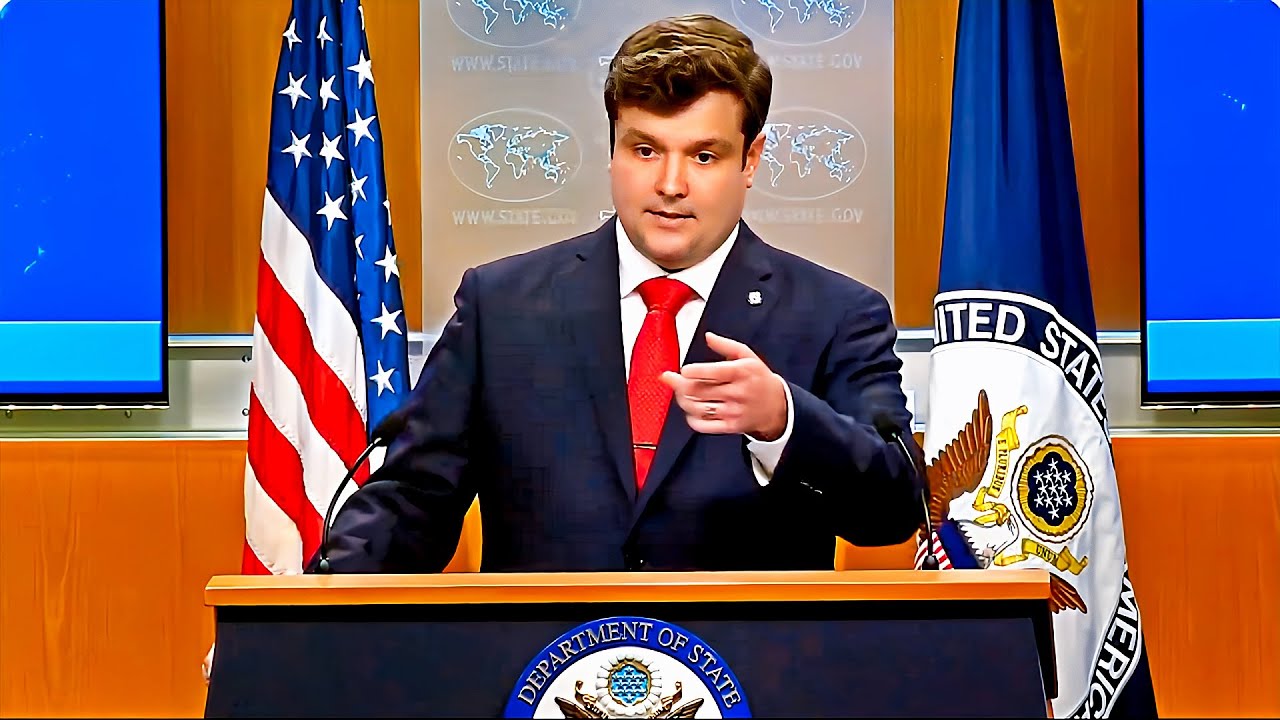
International politics rarely changes overnight. While headlines often focus on individual speeches, elections, or diplomatic meetings, the most significant developments usually emerge through gradual shifts in alliances, policy priorities, and strategic relationships between nations.
Recent political discussions across multiple regions suggest that governments are navigating an increasingly complex environment. Economic competition, technological innovation, security concerns, energy policy, and regional cooperation continue influencing decision-making at the highest levels.
Rather than focusing on a single event, understanding today’s political landscape requires examining the broader trends shaping international relations.
A More Complex Diplomatic Environment
Global diplomacy has become increasingly multifaceted.
Countries are no longer defining relationships solely through traditional alliances or rivalries. Instead, governments often cooperate in certain areas while competing in others. A nation may work closely with another country on trade, for example, while maintaining different positions on security or technology policy.
This flexible approach reflects the realities of a highly interconnected world where economic interests, geopolitical strategy, and domestic priorities frequently overlap.
As a result, diplomatic engagement today involves balancing multiple objectives rather than pursuing a single overarching agenda.
Economic Policy Is Playing a Larger Political Role
Economic issues have become central to international political discussions.
Governments are paying closer attention to supply chains, industrial development, investment flows, and economic resilience. Decisions once viewed primarily through a financial lens are increasingly treated as matters of national strategy.
Political leaders are focusing on questions such as:
| Policy Area | Political Significance |
|---|---|
| Trade Relations | Influences economic growth and international partnerships |
| Industrial Policy | Supports domestic production and competitiveness |
| Energy Security | Affects both economic stability and national interests |
| Technology Investment | Shapes future innovation and productivity |
| Infrastructure Development | Strengthens long-term economic capacity |
These priorities are helping redefine how governments approach international cooperation and competition.
Technology Has Become a Political Issue
Few topics have moved more rapidly from the business world into political discussions than technology.
Artificial intelligence, cybersecurity, digital infrastructure, and data governance are now regular subjects of international negotiations and policy debates.
Governments increasingly recognize that technological leadership carries economic, strategic, and security implications. As a result, many countries are developing policies aimed at encouraging innovation while also addressing concerns related to privacy, regulation, and national security.
The political conversation surrounding technology is expected to expand further as digital transformation continues across industries.
Regional Organizations Continue Expanding Their Influence
International politics is not shaped solely by individual countries.
Regional organizations play an increasingly important role in addressing shared challenges and coordinating policy responses. Whether dealing with economic development, trade, environmental concerns, or security cooperation, these institutions often provide a framework for collective action.
In many cases, regional collaboration allows governments to address issues that would be difficult to manage independently.
This trend reflects a broader recognition that many modern challenges extend beyond national borders and require coordinated responses.
Security Remains a Core Political Priority
Despite rapid technological and economic change, security continues to occupy a central place in international politics.
Governments remain focused on protecting national interests while maintaining regional stability. Security discussions increasingly encompass both traditional concerns and emerging risks.
Today’s political leaders must consider a wider range of issues than previous generations.
| Security Focus | Current Relevance |
|---|---|
| National Defense | Protecting territorial integrity and strategic interests |
| Cybersecurity | Safeguarding digital infrastructure and information systems |
| Energy Security | Ensuring reliable access to critical resources |
| Economic Security | Strengthening resilience against external disruptions |
| Strategic Partnerships | Supporting regional and international stability |
The growing overlap between economic, technological, and security issues has become one of the defining characteristics of modern geopolitics.
The Rise of Issue-Based Cooperation
One notable feature of current international politics is the increasing importance of issue-specific cooperation.
Countries may disagree on certain matters while working together effectively on others. Climate initiatives, public health concerns, technology standards, and economic development projects often bring together governments with different political priorities.
This pragmatic approach allows cooperation to continue even when broader political relationships become more complicated.
For policymakers, flexibility has become an essential tool in managing international relationships.
Public Expectations Are Influencing Political Agendas
Domestic concerns continue shaping international policy decisions.
Citizens increasingly expect governments to address economic opportunities, technological change, environmental challenges, and quality-of-life issues alongside traditional foreign policy objectives.
As a result, political leaders often evaluate international decisions through both domestic and global perspectives.
This dynamic has contributed to a political environment where foreign policy and domestic policy are more closely connected than ever before.
Governments are expected not only to engage internationally but also to demonstrate how those engagements support national priorities at home.
The Themes Defining Today’s Political Landscape
Although international politics varies significantly from one region to another, several themes continue appearing across global discussions.
| Major Theme | Why It Matters |
|---|---|
| Economic Resilience | Supports long-term growth and stability |
| Technological Leadership | Influences competitiveness and innovation |
| Security Cooperation | Helps address shared risks and challenges |
| Energy Strategy | Balances sustainability and reliability |
| International Partnerships | Strengthens diplomatic and economic ties |
These themes provide valuable insight into the priorities guiding many governments today.
Looking Ahead
International politics is entering a period where adaptability may be as important as influence.
Governments face an environment shaped by rapid technological change, evolving economic conditions, shifting demographics, and increasing global interconnectedness. Success will likely depend on the ability to respond effectively to emerging challenges while maintaining productive relationships with partners around the world.
While individual political events will continue attracting attention, the broader trends shaping diplomacy, economic policy, and international cooperation are likely to have the greatest long-term impact.
Understanding those trends offers a clearer perspective on where global politics may be heading next.
Frequently Asked Questions
What are international political updates?
International political updates refer to major developments involving governments, diplomacy, international relations, policy decisions, and geopolitical trends around the world.
Why is global politics becoming more complex?
Countries increasingly balance economic interests, security concerns, technological competition, and diplomatic priorities at the same time.
How does technology influence international politics?
Technology affects economic competitiveness, cybersecurity, regulation, innovation, and national security, making it a key political issue.
Why are international partnerships important?
Partnerships help countries address shared challenges, expand economic opportunities, and support regional stability.
✔ Related Articles
✔ Major Global Events Happening This Year
✔ Top Global Developments This Week
✔ Important News Stories You Should Know
✔ Major International Events Everyone Is Talking About
