

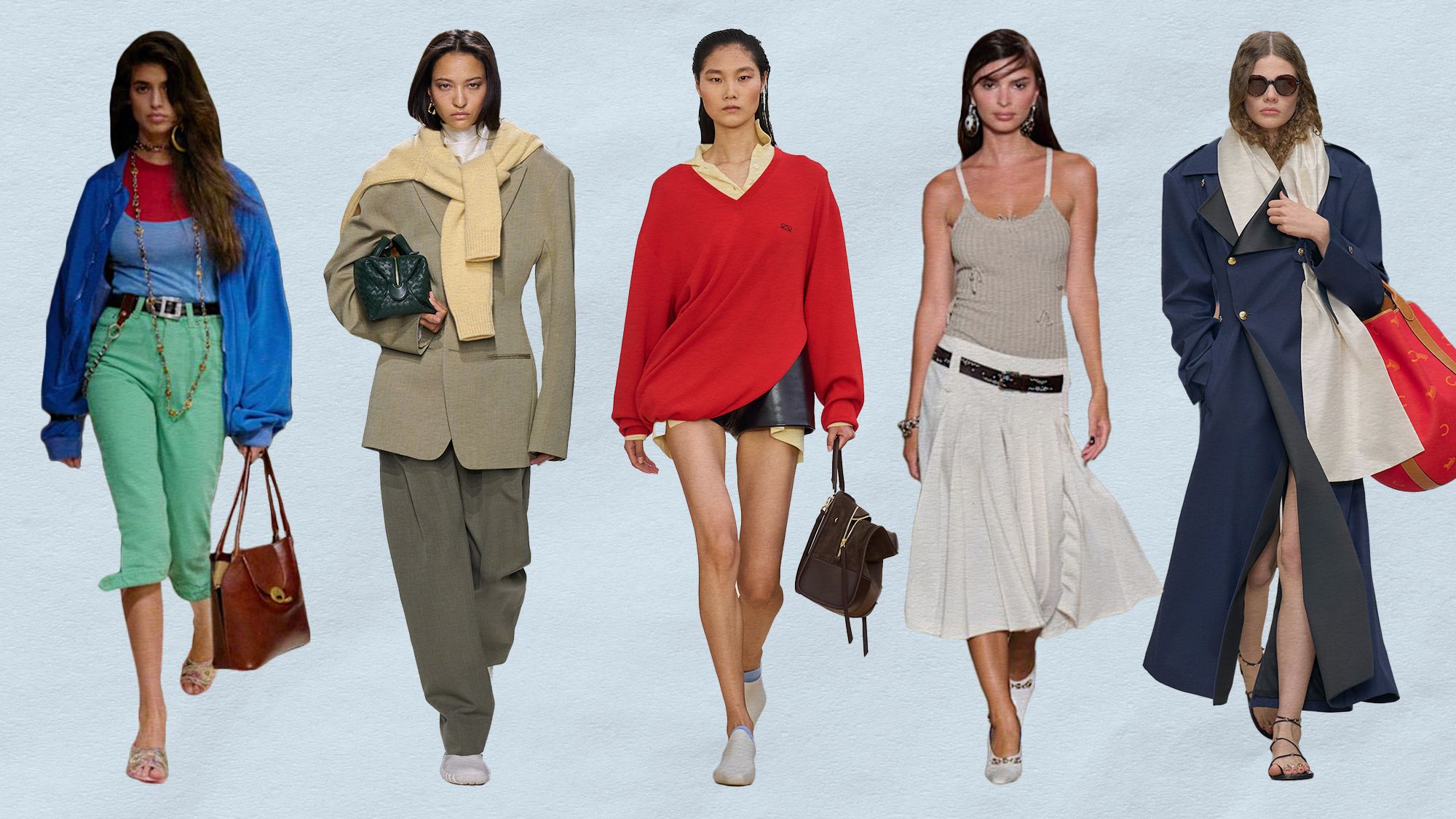
A runway show is never just a presentation of clothing. It is a carefully constructed moment where design, atmosphere, and emotion come together in a single frame. Some looks fade the moment the lights go off, while others continue to circulate, inspire, and redefine style long after the show ends.
This year, runway fashion carried a distinct shift in tone. Designers leaned into contrast—soft silhouettes paired with sharp tailoring, minimal palettes interrupted by unexpected textures, and traditional craftsmanship reimagined through modern cuts.
The most memorable looks were not always the loudest. Often, they were the ones that felt complete without needing explanation.
When Simplicity Became the Strongest Statement
One of the most noticeable directions in recent runway presentations has been restraint.
Instead of overwhelming detail, many designers focused on clarity of shape and purity of fabric. A single flowing gown or sharply tailored suit often carried more impact than heavily layered ensembles.
This approach allowed garments to speak through proportion and movement rather than decoration. The result was a quieter form of confidence that felt intentional rather than minimal for its own sake.
The Return of Sculpted Silhouettes
Alongside simplicity, structured design made a strong return.
Runway looks featuring sculpted shoulders, architectural draping, and defined waistlines created a sense of visual tension. These designs often felt like wearable art, where the body became part of the structure rather than just a base for clothing.
What made these pieces stand out was their balance—rigid forms softened by fabric flow, creating contrast within a single outfit.
Color Stories That Shifted the Mood
Color played a defining role in runway impact this year, but not in the expected way.
Instead of loud, saturated palettes dominating collections, many designers explored muted tones with selective bursts of intensity. A neutral base would often be interrupted by a single sharp accent—creating focus without overwhelming the eye.
In other cases, monochromatic styling became a powerful storytelling tool, allowing texture and shape to define the look rather than color variation.
Fabric Movement Became Part of the Design
Another noticeable shift was the emphasis on motion.
Runway looks were designed not just for static presentation but for movement. Flowing materials, layered textiles, and reactive fabrics created visual effects that changed as models walked.
This gave garments a living quality, where the same outfit appeared different depending on angle, lighting, and pace.
Designers increasingly treated movement as an essential component of design rather than a secondary effect.
Accessories Became Structural Elements
Accessories this year moved beyond decoration and into design architecture.
Oversized bags, sculptural footwear, and statement headpieces were often integrated into the overall silhouette rather than added afterward. In some cases, accessories carried as much visual weight as the garments themselves.
This integration created a more unified look, where every element felt intentionally placed rather than styled separately.
Celebrity Presence Elevated Key Moments
While runway shows are centered on design, celebrity appearances continue to amplify visibility.
Certain looks gained global attention after being worn or endorsed by public figures, turning runway pieces into cultural talking points almost instantly.
However, the most enduring designs were those that maintained interest beyond initial exposure, proving that long-term relevance depends more on structure and identity than momentary visibility.
Digital Viewing Changed How Runway Fashion Is Experienced
The way audiences consume runway fashion has shifted significantly.
Instead of exclusive physical attendance, many viewers now experience shows through digital streams, social platforms, and curated highlight reels. This has changed the rhythm of fashion consumption.
Looks are no longer absorbed as part of a full show experience—they are often isolated, shared, and analyzed individually.
This shift has increased both reach and scrutiny, making every detail more visible than ever before.
The Looks That Defined the Year
Across different fashion houses and presentations, certain styles consistently stood out:
A flowing silhouette that moved almost like liquid fabric.
A sharply tailored ensemble that redefined modern formalwear.
A monochrome look that relied entirely on texture variation.
A sculptural design that blurred the line between clothing and art.
A minimalist outfit that proved restraint can carry strong visual weight.
Each of these approaches reflected a different interpretation of modern luxury, showing that runway fashion no longer follows a single direction.
Final Reflection
The best runway looks of the year were not defined by excess or spectacle alone. Instead, they were shaped by intention, balance, and emotional presence.
Fashion continues to evolve, but its core purpose remains unchanged—to express ideas through form and movement in a way that resonates beyond the moment it is seen.
What stays with audiences is not just what was worn on the runway, but what the look made them feel.
✔ Related Articles
✔ Designer Collections Everyone Loves
✔ Inside the World of Premium Fashion
✔ Luxury Lifestyle Trends You Need to Know
✔ Best Streaming Platforms Compared for 2026
✔ Top YouTube Trends Right Now
