

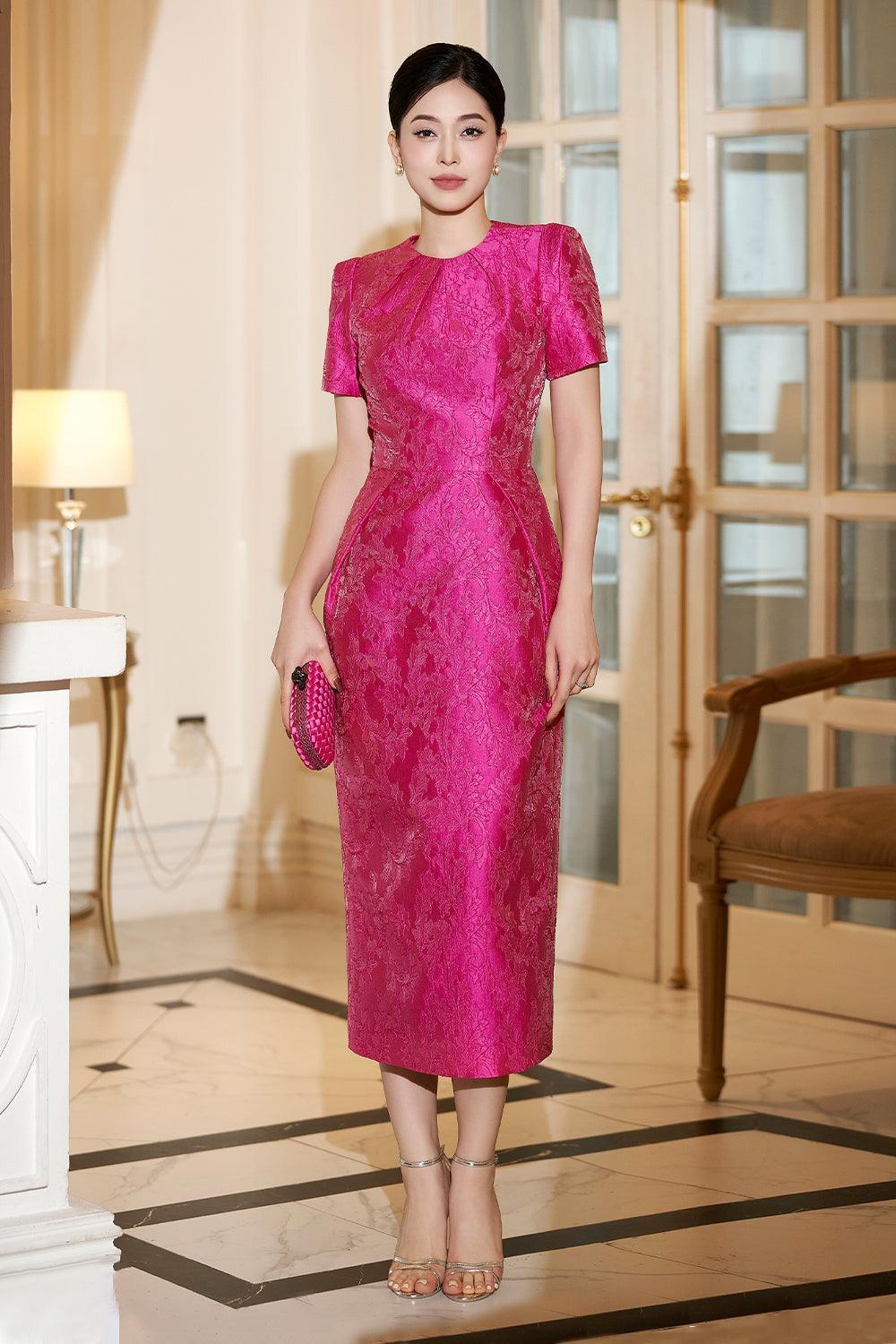
Inside the World of Premium Fashion: Where Craftsmanship Meets Exclusivity
Luxury fashion is often viewed through storefront windows, runway photographs, and celebrity appearances. What most people never see is the world operating behind those carefully curated images—a world where craftsmanship, heritage, and exclusivity remain just as valuable as the finished product itself.
Step inside a premium fashion house and the pace immediately feels different.
The emphasis is rarely on speed. Instead, attention is directed toward precision. A single garment may pass through multiple specialists before reaching a showroom. Fabric selections can take months. Design revisions may continue long after a collection has been announced.
For many luxury brands, the final product represents only a fraction of the story.
The Quiet Value of Scarcity
Unlike mass-market fashion, premium labels are not designed to be everywhere.
A luxury handbag displayed in a flagship boutique is often produced in limited quantities. Certain pieces never reach global distribution. Some collections are available only to select clients.
This scarcity is not accidental.
Exclusivity has become one of the defining characteristics of premium fashion. Ownership often carries a sense of access—an invitation into a world that remains intentionally difficult to enter.
For buyers, the appeal extends beyond aesthetics. The rarity itself becomes part of the experience.
Beyond the Price Tag
The conversation surrounding luxury fashion frequently focuses on cost.
Yet industry insiders often evaluate premium pieces differently.
Questions tend to revolve around construction, materials, craftsmanship, and design heritage rather than simple pricing comparisons.
A tailored coat may require dozens of hours of manual work. Hand-finished details that appear insignificant to casual observers can dramatically increase production complexity.
What customers are purchasing is not merely clothing. They are investing in expertise accumulated across generations.
Fashion Houses as Cultural Institutions
The most influential luxury brands operate as more than businesses.
Many function as cultural institutions with archives, design legacies, and artistic identities stretching back decades.
Every new collection exists within a larger narrative. Designers are expected to introduce fresh ideas while preserving the brand’s historical character.
This balance between innovation and heritage helps explain why premium fashion continues to attract attention despite rapidly changing consumer trends.
The challenge is not simply creating something new.
The challenge is creating something new while remaining recognizable.
Why Luxury Consumers Are Changing
Today’s premium fashion customer looks different from previous generations.
Younger buyers increasingly value transparency, craftsmanship, and authenticity. Many are just as interested in a product’s story as they are in its appearance.
Digital platforms have accelerated this shift.
Consumers can now examine runway shows, designer interviews, and manufacturing philosophies from virtually anywhere in the world.
As a result, luxury brands face growing pressure to communicate not only what they create but why they create it.
The Influence of Modern Celebrity Culture
Red carpet appearances still shape fashion conversations, but influence has become more decentralized.
Actors, musicians, athletes, digital creators, and entrepreneurs now participate in defining luxury style trends.
A single public appearance can transform an emerging designer into a global talking point overnight.
Yet visibility alone is no longer enough.
Consumers increasingly distinguish between temporary hype and lasting design relevance.
Premium fashion brands that endure tend to rely on identity rather than viral attention.
A Future Built on Heritage and Innovation
The luxury industry continues evolving alongside technology, sustainability initiatives, and changing consumer expectations.
Digital experiences, limited-edition releases, and direct audience engagement are becoming more common. At the same time, traditional craftsmanship remains central to the industry’s appeal.
This combination of heritage and innovation may ultimately define the next chapter of premium fashion.
The world’s most respected fashion houses understand that while trends come and go, exceptional craftsmanship rarely loses its value.
Final Reflection
Premium fashion exists at the intersection of artistry, culture, and exclusivity. Its influence extends beyond clothing into design, identity, and global consumer behavior.
For outsiders, luxury may appear glamorous from a distance.
For those inside the industry, however, the true story often begins long before a collection reaches the runway.
Related Articles
- How Streaming Changed Digital Entertainment
- Viral Video Creators Dominating the Internet
- Best Streaming Platforms Compared for 2026
- Top YouTube Trends Right Now
- Most Watched Online Videos This Month
