

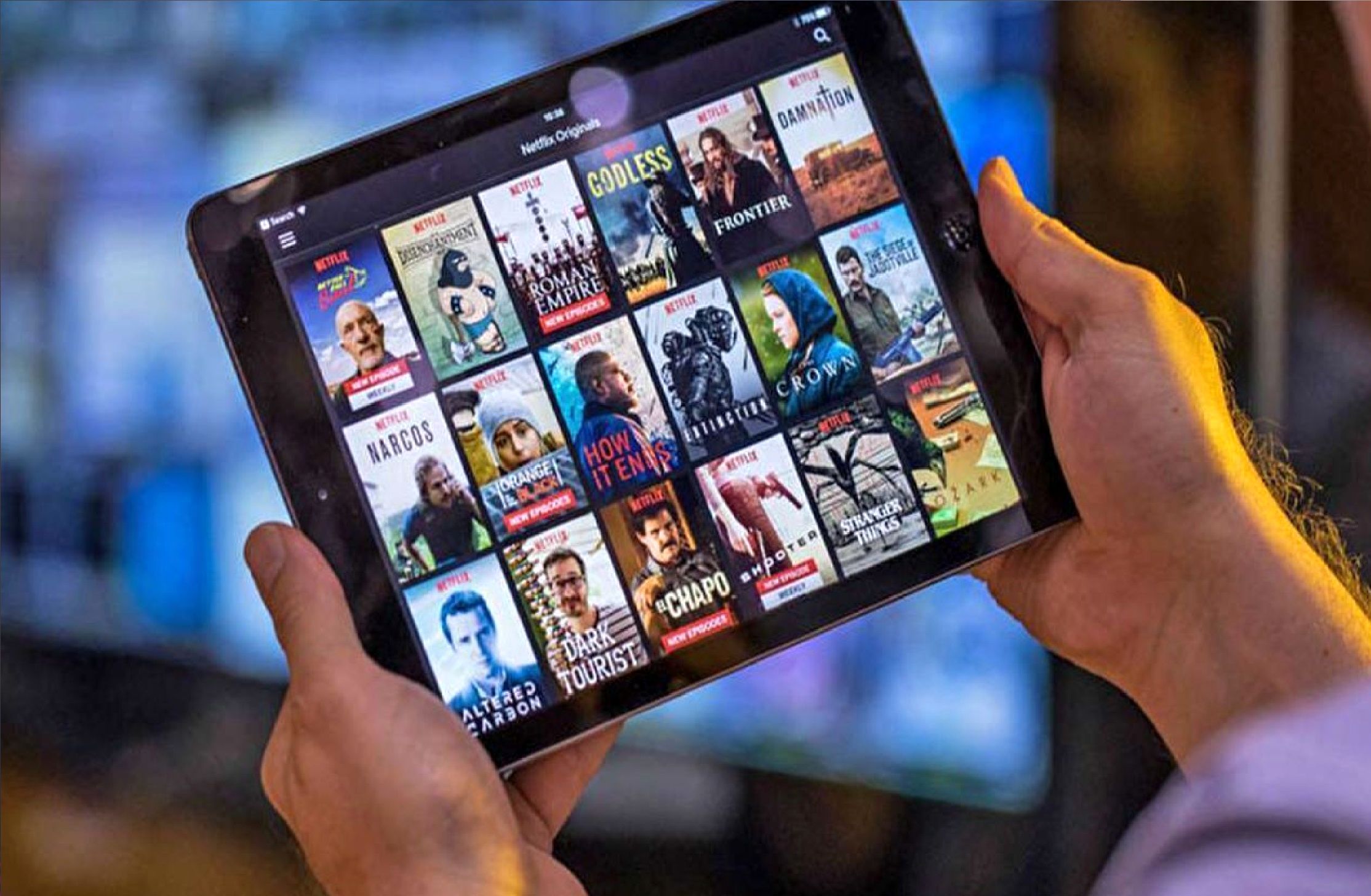
For decades, entertainment followed a predictable schedule. Television shows aired at specific times, radio programs followed fixed programming blocks, and audiences adjusted their routines around content availability. Today, that relationship has been completely reversed.
Streaming technology has fundamentally changed how people discover, consume, and interact with digital entertainment. Viewers no longer wait for content to arrive. Instead, entertainment is available instantly across smartphones, tablets, smart TVs, laptops, and connected devices.
What started as a convenient way to watch videos online has evolved into a global transformation affecting movies, television, music, gaming, sports, and even live events. The impact of streaming extends far beyond convenience—it has reshaped the entire entertainment industry.
The Day Entertainment Stopped Following a Schedule
One of the biggest changes brought by streaming is the end of appointment viewing.
In the past, missing an episode often meant waiting for a rerun. Today, audiences decide when and where they want to watch content. This shift gave consumers unprecedented control over their viewing experience.
Instead of being tied to broadcast schedules, users can pause, resume, replay, or skip content whenever they choose. This flexibility has become one of the main reasons streaming services continue attracting millions of subscribers worldwide.
As internet speeds improved and mobile technology advanced, on-demand viewing quickly became the preferred option for many consumers.
From Passive Viewing to Personalized Experiences
Traditional media delivered the same programming to everyone. Streaming platforms introduced something entirely different: personalization.
Modern recommendation systems analyze viewing behavior to suggest movies, shows, documentaries, and videos tailored to individual preferences.
This approach creates a more engaging experience because users spend less time searching and more time consuming relevant content.
Personalized recommendations have also influenced content production. Entertainment companies increasingly study audience behavior to understand which genres, themes, and formats perform best.
As a result, viewers now experience entertainment ecosystems that feel customized rather than generic.
Why Binge-Watching Became a Global Habit
Streaming changed not only what people watch but also how they watch it.
The release of entire seasons at once introduced binge-watching as a mainstream behavior. Instead of waiting weeks for a storyline to unfold, audiences could finish multiple episodes in a single sitting.
This consumption pattern altered storytelling itself.
Writers and producers began developing narratives designed to encourage continuous viewing. Cliffhangers, interconnected episodes, and season-long story arcs became increasingly common.
Binge culture has influenced audience expectations across nearly every form of digital entertainment, from television dramas to educational content and creator-led series.
Independent Creators Found New Opportunities
Perhaps one of the most significant effects of streaming has been the rise of independent creators.
Before digital distribution became widely accessible, reaching a large audience often required support from major media organizations. Streaming platforms dramatically lowered those barriers.
Today, creators can build communities, develop personal brands, and reach international audiences without relying on traditional gatekeepers.
This shift has contributed to the growth of the creator economy, where individuals generate income through advertising, sponsorships, memberships, and direct audience support.
Many creators now compete with established entertainment companies in terms of audience engagement and influence.
A New Business Model Emerged
Streaming also transformed how entertainment companies generate revenue.
Historically, media organizations depended heavily on advertising sales, physical media purchases, or cable subscriptions. Streaming introduced new monetization models that continue evolving today.
Common approaches include:
- Subscription-based access
- Ad-supported viewing
- Premium memberships
- Pay-per-view events
- Hybrid revenue structures
These models allow companies to diversify income streams while offering consumers more flexibility.
At the same time, competition among platforms has increased significantly. Providers must continuously invest in exclusive content and innovative features to retain subscribers.
Beyond Movies and Television
Although streaming is often associated with video entertainment, its influence extends much further.
Music Consumption
Streaming platforms changed how listeners discover and enjoy music. Instead of purchasing individual albums, users now access extensive libraries instantly.
Gaming Experiences
Cloud gaming and live-streamed gameplay have expanded entertainment possibilities beyond traditional consoles and physical hardware.
Sports Coverage
Sports organizations increasingly offer digital streaming options, giving fans more ways to watch live events across devices.
Live Events and Virtual Experiences
Concerts, conferences, and special events can now reach global audiences through streaming technology, creating entirely new engagement opportunities.
These developments demonstrate how streaming has become a central component of the broader digital entertainment ecosystem.
Challenges the Industry Cannot Ignore
Despite its success, streaming faces several challenges.
Market saturation has become a growing concern as more platforms compete for audience attention. Consumers often find themselves managing multiple subscriptions, which can create content fatigue.
Content discovery also remains difficult. While recommendation algorithms are helpful, the sheer volume of available media can overwhelm users.
Additionally, creators and entertainment companies continue navigating issues related to licensing, monetization, copyright protection, and audience retention.
Addressing these challenges will play a crucial role in shaping the industry’s next phase.
Looking Ahead: What Comes Next?
The future of digital entertainment will likely be influenced by emerging technologies and changing consumer expectations.
Artificial intelligence may improve content recommendations and production workflows. Interactive storytelling could become more common. Virtual and augmented reality experiences may also gain broader adoption as hardware becomes more accessible.
At the same time, audiences will continue demanding convenience, personalization, and high-quality experiences.
Streaming platforms that successfully adapt to these expectations are likely to remain at the forefront of digital entertainment innovation.
Final Thoughts
Streaming has done far more than change how people watch movies or television shows. It has redefined the relationship between audiences and content, created opportunities for independent creators, and transformed business models across the entertainment industry.
The shift from scheduled programming to on-demand access represents one of the most significant media transformations of the digital age. As technology continues advancing, streaming will remain a driving force behind how entertainment is produced, distributed, and experienced worldwide.
Frequently Asked Questions
How did streaming change digital entertainment?
Streaming introduced on-demand access, personalized recommendations, and greater viewing flexibility, transforming how audiences consume content.
Why are streaming platforms so popular?
They offer convenience, extensive content libraries, multi-device accessibility, and personalized viewing experiences.
How has streaming helped content creators?
Streaming platforms allow creators to reach global audiences, build communities, and generate revenue without relying solely on traditional media companies.
Will streaming replace traditional entertainment completely?
Traditional media still plays an important role, but streaming continues gaining influence as consumer preferences shift toward digital and on-demand experiences.
What industries have been affected by streaming?
Movies, television, music, gaming, sports, live events, and creator-driven content have all experienced significant changes due to streaming technology.
RELATED ARTICLES:
- Most Watched Online Videos This Month
- Top YouTube Trends Right Now
- Viral Video Creators Dominating the Internet
- How Streaming Changed the Music Industry
